

 English
 日本語
日本語

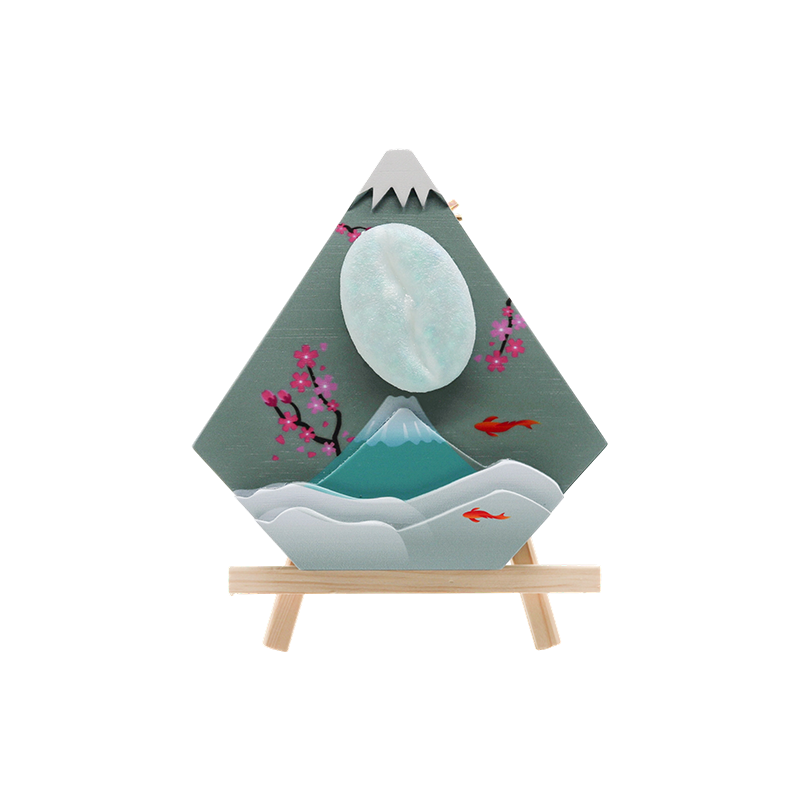
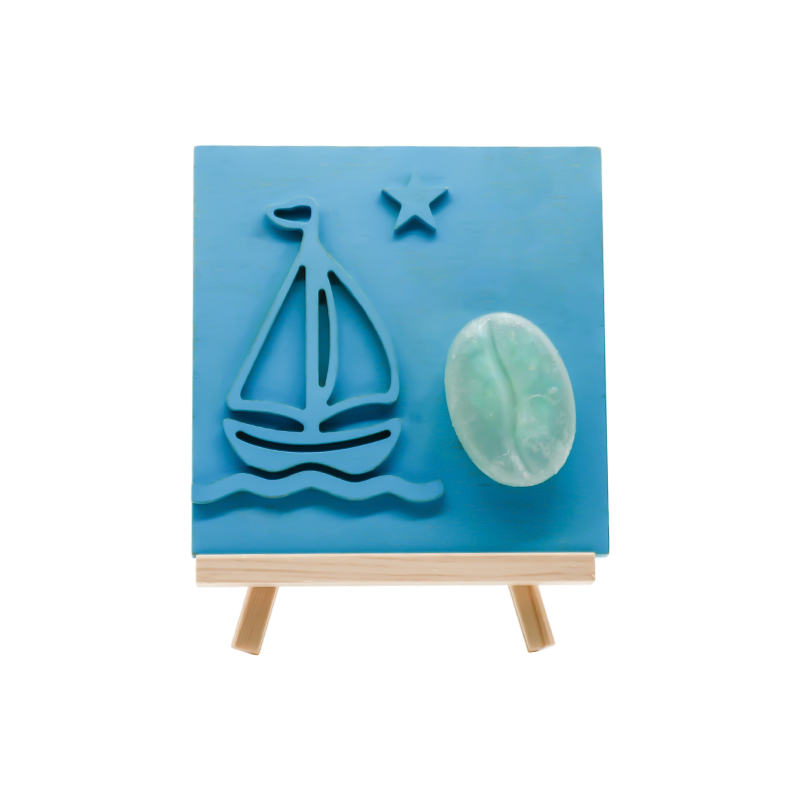
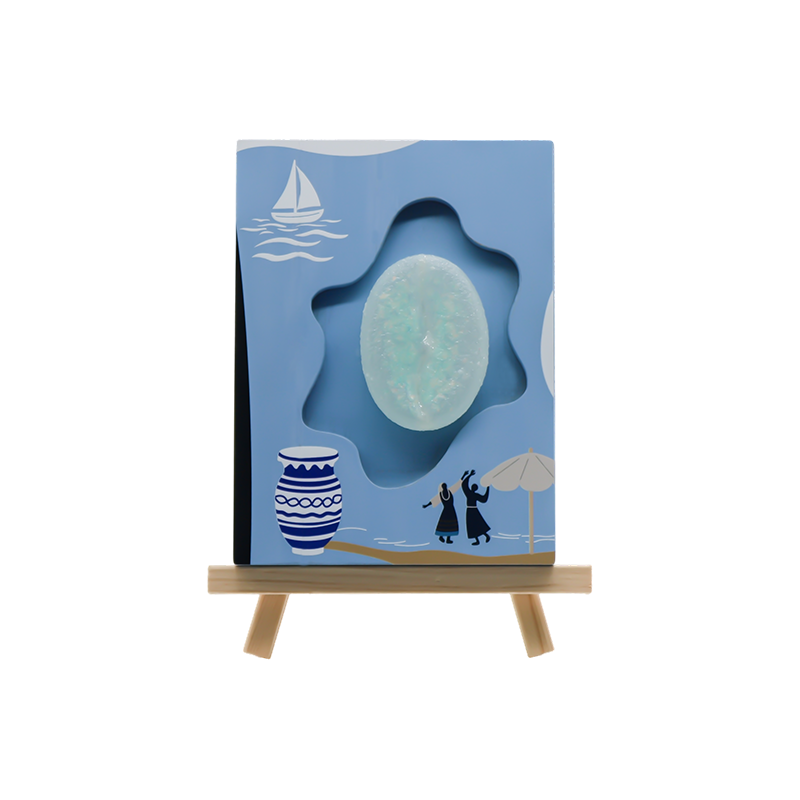
The evolution of interior design has moved beyond simple aesthetics to encompass the total sensory experience of a living environment. Among the most innovative pieces of functional decor emerging today is the aromatherapy art lamp, a device that seamlessly blends visual artistry with olfactory wellness. Unlike traditional plastic diffusers that often clash with sophisticated decor, an aromatherapy art lamp serves as a centerpiece that engages both the eyes and the nose. It represents a convergence of lighting technology and the ancient practice of using aromatic plant extracts to promote health and well-being. By integrating these lamps into a room, homeowners can transform a static space into a dynamic sanctuary that responds to their emotional and physical needs through a carefully calibrated balance of light and scent.
The primary appeal of an aromatherapy art lamp lies in its ability to solve two design challenges simultaneously. First, it provides localized, atmospheric lighting that can define the mood of a room more effectively than harsh overhead fixtures. Second, it offers a consistent and controlled method for dispersing essential oils into the air without the safety concerns associated with open flames from candles. This dual functionality makes the art lamp an essential tool for those looking to practice mindfulness and create a professional-grade spa atmosphere within their own homes. As we explore the various facets of these unique objects, it becomes clear that they are more than just lamps; they are instruments of holistic living designed for the modern age.
Understanding the Artistic Philosophy Behind Premium Aromatherapy Lighting Solutions
The design of a high-quality aromatherapy art lamp is rooted in the philosophy that objects of utility should also be objects of beauty. This approach draws inspiration from the Arts and Crafts movement, which emphasized the importance of craftsmanship and the use of natural materials in everyday life. In the context of a decorative essential oil diffuser lamp, this means moving away from mass-produced synthetic materials and toward hand-blown glass, carved stone, and sustainably sourced timber. Each material choice is intentional, aimed at creating a piece that feels substantial and unique. The artistic value of these lamps is often found in the way the light source interacts with the outer shell, creating a visual narrative that changes depending on the brightness of the bulb and the color of the materials used.
When an artisan creates an aromatherapy art lamp, they consider how the vessel will look both when it is illuminated and when it is turned off. A glass lamp might feature swirls of iridescent color that catch the sunlight during the day, only to reveal hidden depths and shadows when the internal light is activated in the evening. This metamorphic quality ensures that the lamp remains a relevant piece of art regardless of the time of day. Furthermore, the artistic philosophy extends to the way the scent is released. The heat or ultrasonic vibration used to diffuse the oils is often integrated into the design in a way that feels organic rather than mechanical, allowing the user to focus on the sensory output rather than the technology behind it.
The Intersection of Traditional Glassblowing and Modern Diffusion Technology
Many of the most sought-after aromatherapy art lamps utilize hand-blown glass as their primary medium. This technique allows for an incredible range of textures and patterns that cannot be replicated by machines. Artisans can introduce metallic foils, colored powders, and even bubbles into the glass to create a complex surface that diffuses light in a soft, flattering manner. When these glass shells are paired with modern diffusion components, the result is a luxury home fragrance lamp that performs as well as it looks. The glass serves as a protective layer that is resistant to the corrosive nature of certain essential oils, ensuring that the artistic integrity of the piece remains intact over years of use.
The marriage of tradition and technology in these lamps also addresses the need for precision. While the exterior is a work of art, the interior often houses advanced heating elements or ultrasonic transducers that are calibrated to disperse oils without overheating them. Maintaining the correct temperature is vital because excessive heat can alter the chemical composition of essential oils, stripping them of their therapeutic properties. By using high-quality materials like ceramic or borosilicate glass for the internal reservoir, designers ensure that the aromatherapy experience is both pure and effective. This synergy allows the user to enjoy the benefits of ancient herbal wisdom through a sophisticated, contemporary interface.
The Sensory Synergy of Warm Light and Therapeutic Scent
The human brain is wired to respond powerfully to both light and scent, as these stimuli are processed by the limbic system, which is the area responsible for emotions and memory. An aromatherapy art lamp capitalizes on this biological connection by providing a synchronized sensory input. The warm light emitted by the lamp can signal to the body that it is time to relax, lowering cortisol levels and preparing the mind for rest. Simultaneously, the inhalation of specific aromatic molecules like linalool from lavender or limonene from citrus can trigger a physiological response that further enhances the feeling of tranquility. This combination creates a more profound impact on the user than either light or scent could achieve on its own.
In a professional or therapeutic setting, such as a massage studio or a meditation room, the use of ambient scent lighting is essential for grounding the participants. The lamp acts as a focal point, a visual anchor that helps to quiet the mind. As the user watches the soft glow of the lamp and breathes in the diffused oils, they are encouraged to remain in the present moment. This practice of sensory grounding is a key component of stress management and can be easily replicated in a home environment by placing an aromatherapy art lamp in a dedicated relaxation corner. The consistency of the light and scent allows the brain to form a positive association with that specific space, making it easier to transition into a state of calm.
Exploring the Role of Chromotherapy in Aromatherapy Art Lamps
Chromotherapy, or color therapy, is often an integrated feature of modern aromatherapy lamps. By using LED technology that can transition through a spectrum of colors, these lamps allow users to customize their environment based on their current emotional needs. For example, a blue or green light might be used in conjunction with eucalyptus oil to create a refreshing and cooling atmosphere that aids in respiratory clarity and focus. Conversely, a red or orange light paired with warm scents like cinnamon or sandalwood can create a sense of security and physical warmth during the colder months.
The ability to control the color temperature of an aromatherapy art lamp adds a layer of versatility that standard lighting lacks. Users can select a soft white light for reading or a dim, amber glow for a romantic dinner. The way these colors interact with the artistic elements of the lamp, such as the patterns in a ceramic shell or the ripples in a glass dome, creates a mesmerizing effect that can be almost hypnotic. This visual stimulation serves to distract the mind from the anxieties of the day, allowing the therapeutic benefits of the essential oils to take center root. By intentionally selecting light and scent combinations, homeowners can actively curate the emotional resonance of their living spaces.
Detailed Analysis of Materials Used in High-End Art Lamp Construction
The longevity and performance of an aromatherapy art lamp are dictated by the quality of its construction materials. Because essential oils are potent chemical compounds, the materials that come into contact with them must be non-reactive and durable. Furthermore, the materials used for the exterior must be able to withstand the slight heat generated by the diffusion process without degrading or emitting unpleasant odors. High-end manufacturers prioritize materials that offer a balance of aesthetic beauty and technical resilience, ensuring that the lamp remains a safe and effective part of the home for many years.
Handcrafted Ceramic and Porous Stone Elements
Ceramic is a classic choice for an aromatherapy art lamp because of its incredible versatility and natural heat resistance. A handcrafted ceramic lamp can be finished with a variety of glazes, ranging from deep, glossy obsidians to matte, earthy terracottas. Some designers use unglazed, porous ceramic sections that can actually absorb a small amount of the essential oil, allowing a faint scent to linger even when the lamp is turned off. This creates a more continuous aromatic presence in the room. The opaque nature of ceramic also allows for the creation of intricate cutout patterns, which project dramatic shadows onto the surrounding surfaces when the internal light is activated.
Porous stones, such as alabaster or marble, are also used in luxury designs. These materials are prized for their natural veining and the way they translucently glow when backlit. A stone aromatherapy art lamp feels incredibly solid and permanent, providing a sense of luxury and stability to a room. Because stone is a natural insulator, it helps to maintain a consistent temperature in the oil reservoir, leading to a more even diffusion rate. The weight of stone and ceramic lamps also contributes to their safety, as they are less likely to be accidentally knocked over compared to lighter plastic alternatives.
Sustainable Wood and Eco-Friendly Accents
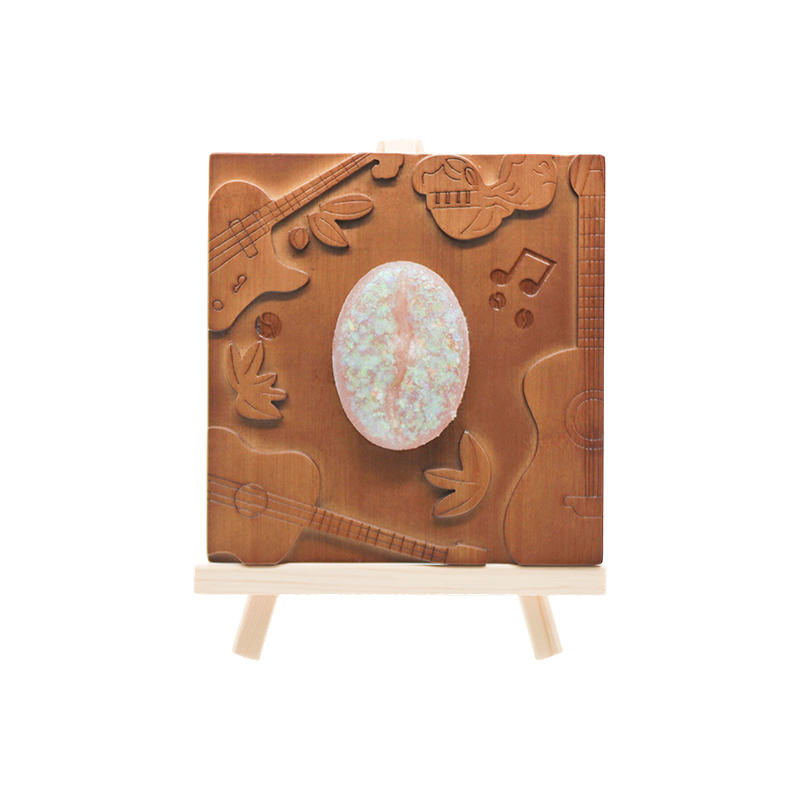
The use of wood in the base or accents of an aromatherapy art lamp adds a warm, organic touch that complements the biophilic design trend. Sustainably sourced hardwoods like walnut, oak, and ash are frequently chosen for their durability and beautiful grain patterns. When wood is used, it must be properly sealed with a high-quality, moisture-resistant finish to prevent the essential oils from staining the fibers or causing the wood to warp over time. The combination of cold glass or ceramic with warm wood creates a tactile contrast that is very appealing in modern interior design.
Eco-friendly resin is another material making its way into the art lamp market. These resins can be used to encapsulate natural elements like dried flowers, leaves, or even semi-precious stones, creating a lamp that feels like a piece of the natural world has been frozen in time. These bio-based resins are often more durable and less prone to yellowing than traditional petroleum-based plastics, making them a better choice for long-term use. By selecting an aromatherapy art lamp made from these high-quality, natural materials, consumers are supporting a more sustainable and artisanal approach to home decor.
Functional Benefits for Mental Wellness and Physical Health
Beyond its role as a decorative object, the aromatherapy art lamp provides tangible benefits for both mental and physical health. The use of essential oils has been documented for centuries as a way to alleviate various ailments, and the modern art lamp provides the most efficient delivery system for these benefits in a home setting. By vaporizing the oils into microscopic droplets, the lamp ensures that the therapeutic compounds are easily absorbed into the bloodstream through the respiratory system. This can lead to immediate improvements in mood, energy levels, and even immune function depending on the oils being used.
For individuals suffering from chronic stress or anxiety, the ritual of using an aromatherapy art lamp can be a vital part of their self-care routine. The act of selecting an oil, adding it to the reservoir, and turning on the lamp serves as a mindful transition from a state of work to a state of rest. The gentle movement of the mist and the soft glow of the light provide a sensory environment that encourages deep breathing and relaxation. This can be particularly effective in the hour before sleep, as certain oils like cedarwood and valerian can help to regulate sleep cycles and improve the quality of rest.
Improving Indoor Air Quality and Respiratory Comfort
Many aromatherapy art lamps also function as small-scale humidifiers. In dry indoor environments, especially during the winter months when heating systems are active, the air can become parched, leading to dry skin, irritated sinuses, and a higher susceptibility to respiratory infections. The fine mist produced by an ultrasonic art lamp adds a small but significant amount of moisture back into the air, helping to keep the mucous membranes of the nose and throat hydrated. This can reduce the frequency of nighttime coughing and help users wake up feeling more refreshed and less congested.
Furthermore, certain essential oils possess natural antibacterial and antiviral properties. When diffused through an aromatherapy art lamp, oils like tea tree, lemon, and peppermint can help to purify the air by reducing the concentration of airborne pathogens. While not a replacement for medical treatment, these aromatic interventions provide an additional layer of protection for the home environment. The use of a therapeutic art lamp in a nursery or a home office can help to maintain a cleaner, more invigorated atmosphere, making it easier to stay healthy and focused throughout the day.
|
Material Comparison |
Hand-Blown Glass Lamp |
Carved Ceramic Lamp |
Polished Stone Lamp |
|---|---|---|---|
|
Visual Effect |
High transparency and light refraction |
Dramatic shadows and opaque patterns |
Soft, translucent glow with natural veins |
|
Tactile Feel |
Smooth and cool to the touch |
Varied textures from matte to glossy |
Heavy, solid, and naturally cold |
|
Scent Diffusion |
Excellent as glass is non-reactive |
Very good with options for porous finishes |
Stable due to high thermal mass of stone |
|
Durability |
High but prone to breaking if dropped |
High and very resistant to heat |
Extremely high and virtually indestructible |
|
Design Style |
Modern, artistic, and colorful |
Rustic, artisanal, or minimalist |
Luxury, classic, and sophisticated |
|
Maintenance |
Easy to wipe clean with a soft cloth |
May require brushing for cutout patterns |
Requires periodic sealing to prevent stains |
Strategic Placement and Styling in Residential Environments
To fully realize the potential of an aromatherapy art lamp, one must consider its placement within the architecture of the home. These lamps are most effective when positioned in areas where the user spends a significant amount of time in a stationary position. The goal is to allow the scent and light to envelop the user without being overwhelming. Because these lamps are artistic objects, they should also be placed where they can be appreciated visually, such as on a mantle, a side table, or a dedicated pedestal.
Creating a Serene Atmosphere in the Bedroom
The bedroom is perhaps the most logical place for an aromatherapy art lamp. Positioning the lamp on a nightstand allows the user to benefit from its soft glow for evening reading while the scent prepares them for sleep. For the best results, the lamp should be placed at a height that is roughly level with the head of the bed, ensuring that the mist is directed into the user breathing zone. It is important to ensure that the lamp is placed on a stable surface and that any power cords are neatly tucked away to avoid tripping hazards in the dark.
Styling the lamp in the bedroom involves coordinating its materials with the existing linens and furniture. A ceramic lamp in a soft pastel shade can complement a minimalist, light-colored bedroom, while a dark glass lamp might provide a sophisticated accent in a room with moodier tones. Many users find that a pair of matching aromatherapy art lamps on either side of the bed creates a sense of symmetry and balance that is inherently calming. This setup also allows partners to share the experience while maintaining their own individual lighting controls.
Enhancing Focus and Productivity in the Home Office
As more people transition to remote work, the home office has become a critical space for wellness integration. An aromatherapy art lamp can be an invaluable tool for maintaining focus and reducing the fatigue that comes from long hours in front of a computer screen. Placing the lamp on a desk, away from the direct path of electronics, allows the refreshing scents of rosemary or peppermint to keep the mind sharp. The soft light of the lamp can also provide a necessary break for the eyes, reducing the strain caused by the blue light emitted from digital monitors.
In an office setting, the design of the lamp should reflect a professional yet personal aesthetic. A stone or wood aromatherapy lamp can add a touch of executive luxury to a workspace, while a more colorful glass design can inject a sense of creativity and energy. The presence of a natural, artistic object in an environment dominated by technology provides a grounding effect that can help to prevent burnout. By creating a micro-environment of scent and light, the user can better separate their professional responsibilities from their personal life, even when they are working from home.
Operational Safety and Maintenance Best Practices for Longevity
To ensure that an aromatherapy art lamp remains a safe and beautiful part of the home, users must follow a few basic maintenance protocols. Because these devices involve both water and electricity, proper handling is essential to prevent accidents. Furthermore, the buildup of essential oil residue can eventually clog the diffusion mechanism or dull the artistic finish of the lamp if not addressed regularly. A well-maintained lamp will not only perform better but will also retain its visual brilliance for many years.
Proper Cleaning Techniques for Different Surfaces
The internal reservoir of the lamp should be cleaned at least once a week if used daily. This is done by emptying any remaining water and oil and wiping the interior with a soft cloth dipped in a mixture of water and white vinegar. This solution effectively dissolves the oily residue without the use of harsh chemicals that could damage the components. For the exterior of the lamp, the cleaning method depends on the material. Glass can be cleaned with a standard glass cleaner, while ceramic and stone should be wiped with a damp, lint-free cloth.
It is important to avoid getting water into the electrical housing of the lamp during the cleaning process. Many art lamps are designed with a removable outer shell, making it easier to clean the artistic elements without risking the technology inside. Users should also regularly inspect the ultrasonic disk or heating element for any signs of mineral buildup, which can be removed with a gentle brush and vinegar. By keeping the lamp clean, the user ensures that the scent remains pure and that the light is not obscured by a film of dust or oil.
Selecting and Storing High-Quality Essential Oils
The performance of an aromatherapy art lamp is only as good as the oils used within it. Users should prioritize the use of 100 percent pure essential oils rather than synthetic fragrance oils, which often contain alcohols and phthalates that can damage the lamp components and provide no therapeutic benefits. Pure oils should be stored in dark glass bottles in a cool, dry place to prevent them from oxidizing or losing their potency. When adding oil to the lamp, it is best to start with a small amount, typically three to five drops, and adjust based on the size of the room and the desired intensity of the scent.
Safety is also a critical consideration when using essential oils around pets and children. Certain oils, such as tea tree, cinnamon, and peppermint, can be toxic to cats and dogs if inhaled in high concentrations. Users should always research the safety of specific oils and ensure that the room is well-ventilated during the diffusion process. By combining high-quality oils with a well-maintained aromatherapy art lamp, homeowners can enjoy a safe, effective, and visually stunning sensory experience that enhances every aspect of their daily lives. The art lamp is not just a purchase; it is an investment in a more mindful and beautiful way of living.