

 English
 日本語
日本語

What Is an Aromatherapy Art Lamp?
An aromatherapy art lamp is a multifunctional device that combines an essential oil diffuser with an artistic lamp, typically using LED lights and ultrasonic or heat-free diffusion technology. Unlike standard diffusers, these lamps are designed to be decorative objects that enhance the ambiance of any room while dispersing the therapeutic benefits of essential oils. They come in various forms: ceramic sculptures, glass orbs, geometric shapes, and even Himalayan salt lamp hybrids. The light emitted is often color-adjustable, allowing users to choose hues that correspond to their mood or the time of day. The combination of sight and scent creates a multisensory experience that can promote relaxation, improve concentration, and elevate the aesthetic of your home or office.
The concept behind these lamps is rooted in the ancient practice of aromatherapy, which uses plant extracts to support physical and emotional well-being. By adding the element of light – especially color light – the lamp taps into chromotherapy, the practice of using color to influence mood and health. Together, they create a powerful tool for stress relief, sleep enhancement, and overall wellness.
How Does an Aromatherapy Art Lamp Work?
The functioning of an aromatherapy art lamp depends on its type, but most modern versions use ultrasonic technology. An ultrasonic diffuser uses high-frequency vibrations to break down essential oil and water into a fine, cool mist that disperses into the air. This method does not use heat, so it preserves the integrity of the essential oils, maintaining their therapeutic properties. The artistic component is integrated into the design, with the lamp housing the ultrasonic mechanism, a water reservoir, and a lighting system – typically colorful or warm LED lights.
Some aromatherapy art lamps use a heat-based diffusion method (evaporative or by gentle warming), though these are less common due to the risk of altering the oil's chemical composition. Others combine the lamp with a Himalayan salt block, where the heat from the lamp warms the salt, releasing negative ions that are believed to purify the air and enhance mood. Regardless of the mechanism, the result is a beautiful lighting fixture that doubles as an aromatherapy device.
To use an aromatherapy art lamp, you typically fill the water tank, add a few drops of your chosen essential oil, and turn on the device. The lamp will produce a soft, colorful glow while emitting a scented mist. Many models feature timers, auto-shutoff when water runs low, and remote controls for adjusting light colors and diffusion intensity.
What Are the Health Benefits of an Aromatherapy Art Lamp?
The combination of aromatherapy and mood lighting offers a range of potential benefits for mental and physical well-being. While individual experiences vary, research and anecdotal evidence suggest the following advantages.
Stress Reduction and Relaxation
Essential oils like lavender, chamomile, and ylang-ylang have been shown to lower cortisol levels and promote a sense of calm. When diffused through an aromatherapy art lamp, these scents create a tranquil environment that can reduce anxiety, ease tension headaches, and improve sleep quality. The warm or soft colored light – especially warm amber, blue, or purple – further enhances relaxation by signaling to the brain that it is time to unwind. This is particularly beneficial for those who have trouble sleeping or who work in high-stress environments.
Improved Sleep Quality
Many users incorporate aromatherapy art lamps into their nighttime routine. The gentle glow of the lamp (often set to a warm, dim setting) creates a soothing pre-sleep ambiance, while oils like lavender, cedarwood, and bergamot help quiet the mind and prepare the body for rest. Some lamps also have a timer that automatically turns off after a set period, so you can fall asleep without worrying about leaving it on all night.
Enhanced Focus and Concentration
Certain essential oils, such as peppermint, rosemary, and lemon, are known for their invigorating and clarifying properties. An aromatherapy art lamp in a home office or study can help sharpen mental clarity, improve memory retention, and increase productivity. The adjustable color temperature of the lamp can also mimic daylight to reduce eye strain and keep you alert.
Air Purification and Respiratory Support
Ultrasonic diffusers release negatively charged ions that can neutralize airborne pollutants and allergens. Essential oils like eucalyptus, tea tree, and peppermint have antimicrobial and decongestant properties, making them beneficial for individuals with allergies, asthma, or common colds. The mist can also help humidify dry indoor air, which is especially helpful during winter months.
Emotional Balance and Mood Enhancement
The interplay of color and scent can have a profound effect on mood. For example, citrus oils (orange, lemon, grapefruit) are uplifting and can combat depression, while rose and jasmine are known for their mood-stabilizing effects. The ability to customize both the light color and the scent allows users to create a personalized sensory experience that addresses their emotional needs at any given moment.
Artistic and Decorative Aspects: More Than Just a Diffuser
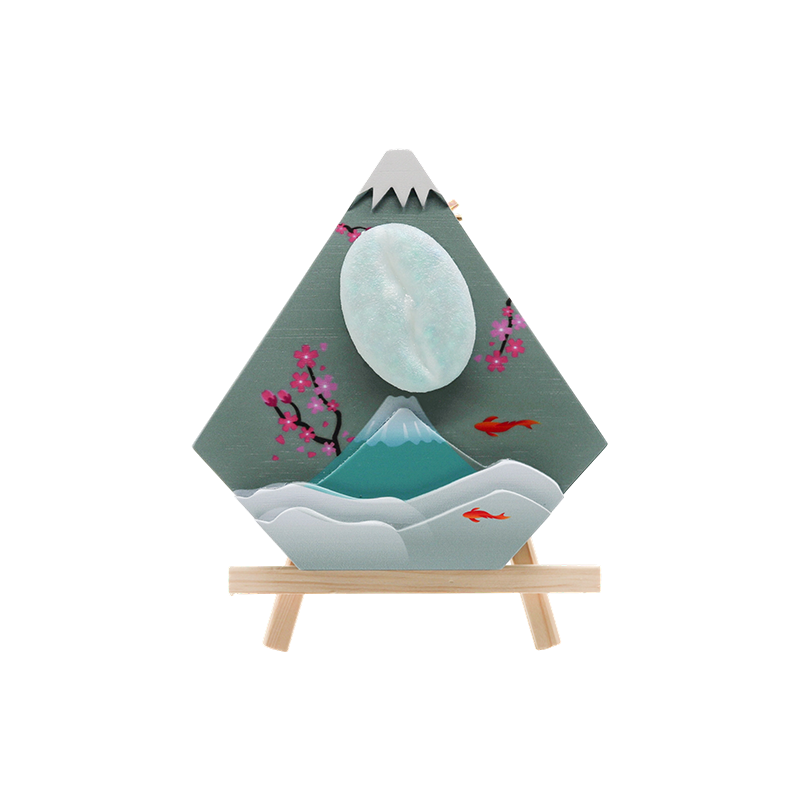
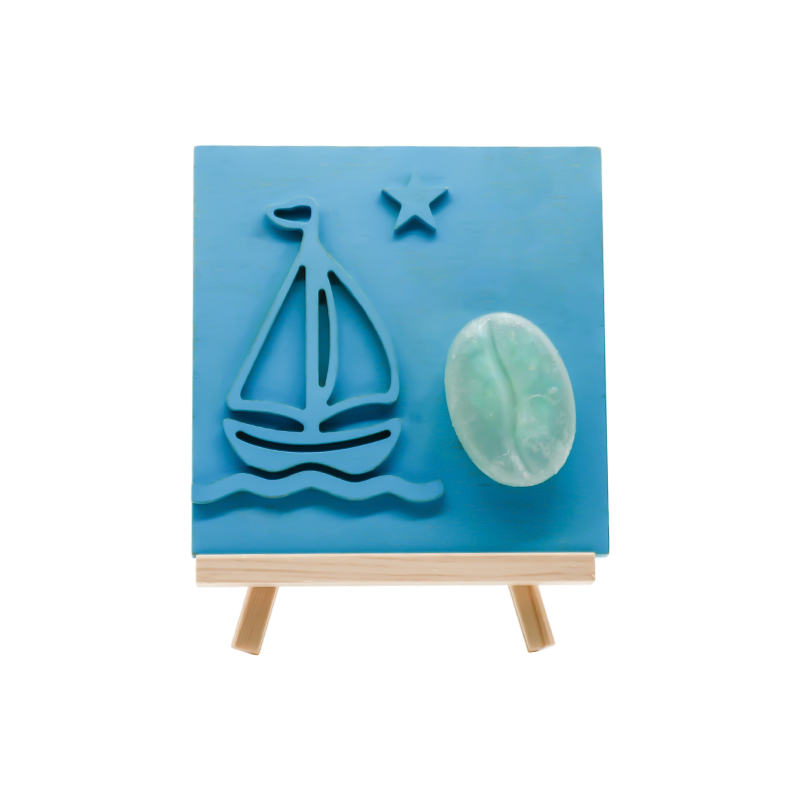
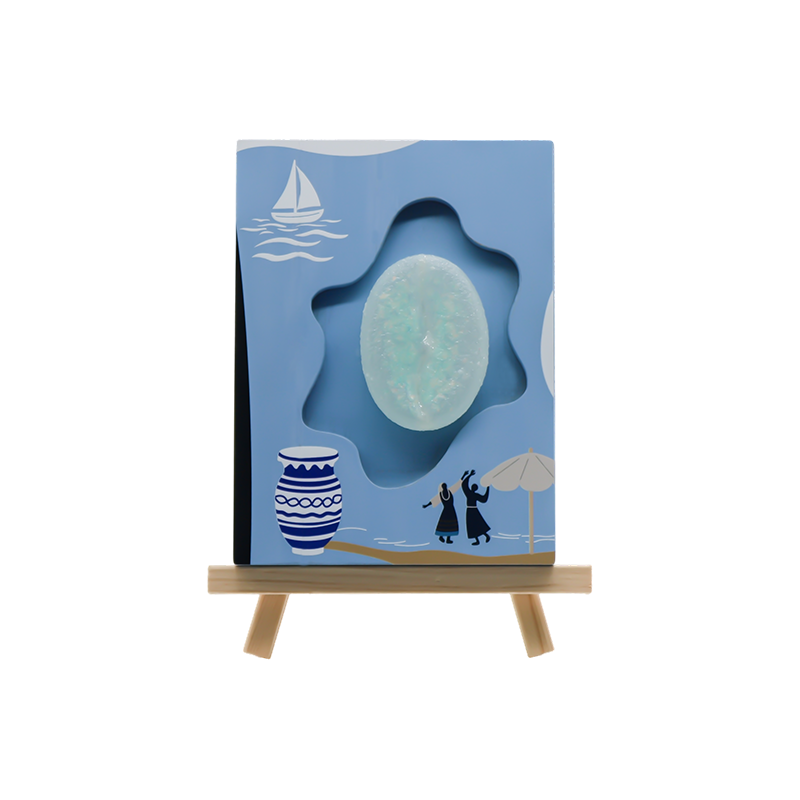
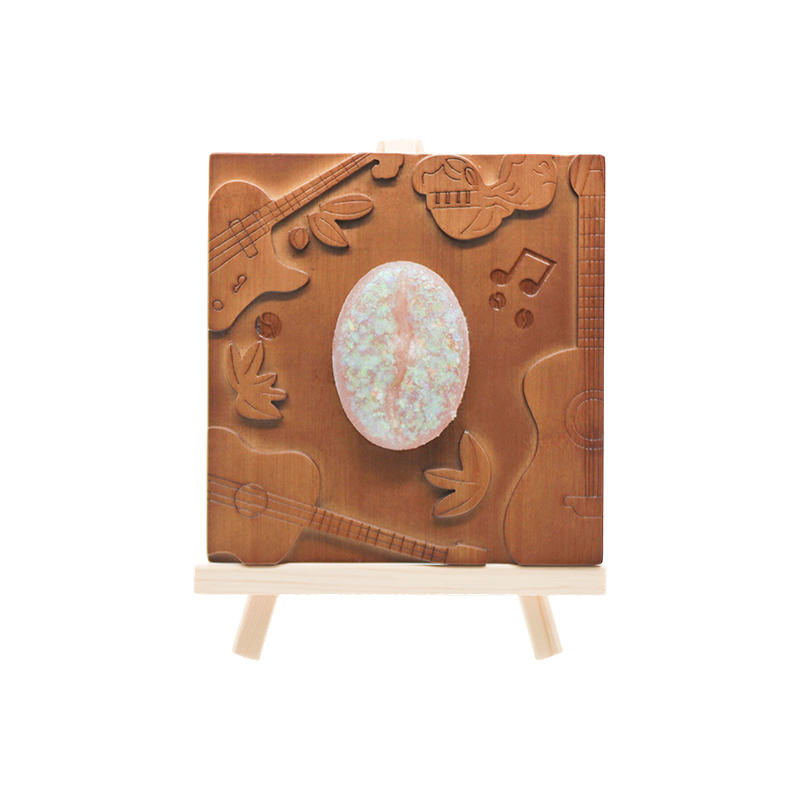
One of the standout features of an aromatherapy art lamp is its aesthetic appeal. Unlike utilitarian diffusers that look purely functional, these lamps are designed to be statement pieces that complement interior design. They are available in a wide range of styles:
Ceramic and porcelain lamps: Often handcrafted with intricate patterns, these lamps add a touch of elegance and warmth to any room. They can resemble vases, abstract sculptures, or traditional pottery.
Glass and crystal lamps: These include Murano-style glass, frosted glass globes, or faceted crystal designs that refract light beautifully, creating a dazzling display. Some glass lamps feature etched patterns that cast shadows on the walls, adding another layer of visual interest.
Himalayan salt lamps with diffuser: Combining the warm, ambient glow of a salt lamp with the diffusion of essential oils, these lamps are especially popular for their warm pink-orange light and the perceived health benefits of negative ions.
Modern geometric and minimalist designs: For contemporary spaces, many lamps feature clean lines, metal frames, wood accents, or geometric shapes that align with modern aesthetics. These often come with remote-controlled color-changing LED lights.
Nature-inspired themes: Floral, butterfly, or leaf-shaped lamps appeal to those who want a natural, organic feel in their decor.
The lamp itself becomes a focal point, often doubling as a conversation starter. Its ability to blend functional aromatherapy with artistic expression makes it a versatile addition to living rooms, bedrooms, offices, spas, and even yoga studios.
How to Choose the Right Aromatherapy Art Lamp for Your Needs
With so many options available, selecting the perfect aromatherapy art lamp can be overwhelming. Consider these factors to make an informed decision.
Diffusion technology: Ultrasonic diffusion is the most popular because it is quiet, energy-efficient, and preserves the integrity of the oils. Heat-based diffusers are cheaper but may alter the scent. Nebulizing diffusers (which use pressurized air) are powerful but louder and more expensive. For most home users, an ultrasonic lamp is the best choice.
Water tank capacity and coverage area: A larger tank (e.g., 200-300ml) will run for longer (up to 10 hours) and cover a larger room (up to 30 square meters). For a bedroom, a smaller tank may suffice. Check the run time and auto-shutoff feature.
Lighting options: Look for lamps with multiple color settings, dimmability, and warm/cool white options. The ability to cycle through colors or set a specific hue can enhance the mood. Some lamps have a simulated sunset or sunrise mode, which is great for sleep and wake routines.
Design and material: Choose a lamp that matches your decor and is made of durable, non-toxic materials. Ceramic and glass are safe and easy to clean. Avoid cheap plastics that may off-gas harmful chemicals.
Ease of cleaning: Regular cleaning is essential to prevent mold and residue buildup. Look for models with removable water tanks and wide openings for easy access.
Noise level: Ultrasonic diffusers are virtually silent, but some cheap models have a slight hum. Check reviews if noise is a concern.
Controls: Remote controls, touch panels, or smartphone apps add convenience. Consider how you plan to interact with the lamp – for example, adjusting brightness and color without getting out of bed.
Price and warranty: Prices range from $20 to over $200. While budget options exist, investing in a quality lamp with a good warranty often pays off in durability and performance.
Essential Oils for Your Aromatherapy Art Lamp
The choice of essential oil greatly influences the experience. Here are some popular options and their uses.
Lavender: Calming, promotes sleep, reduces anxiety. Ideal for evening use.
Peppermint: Invigorating, improves focus, relieves headaches. Great for morning or study sessions.
Eucalyptus: Respiratory support, clears sinuses, boosts immune function. Good for cold season.
Lemon/Orange/Grapefruit: Uplifting, energizing, combats low mood. Perfect for living areas.
Tea Tree: Antimicrobial, purifies air, good for allergies.
Frankincense: Grounding, meditative, reduces stress. Excellent for yoga or meditation rooms.
Ylang Ylang: Balances emotions, reduces blood pressure, romantic.
Rosemary: Enhances memory, stimulates hair growth, boosts energy.
It is important to use high-quality, pure essential oils, preferably therapeutic grade. Avoid synthetic fragrances, which may contain harmful chemicals. Always follow the manufacturer's guidelines for the number of drops per session, as over-diffusing can cause irritation or headaches.
Safety and Maintenance Tips for Your Aromatherapy Art Lamp
To ensure safe and long-lasting use, follow these recommendations.
- Read the instruction manual carefully before first use.
- Place the lamp on a stable, level surface away from electronics and flammable materials.
- Use only water at room temperature (distilled or filtered water is preferred to prevent mineral buildup).
- Do not overfill the water tank; stay within the marked limit.
- Clean the lamp regularly (at least once a week) to prevent mold and oil residue. Wipe the interior with a soft cloth and mild soap; use a small brush for hard-to-reach areas.
- Never submerge the electrical base in water.
- Unplug the lamp when not in use, especially before cleaning.
- Store essential oils in a cool, dark place, away from children and pets.
Aromatherapy Art Lamp vs. Traditional Diffusers: What's the Difference?
Traditional diffusers are purely functional – they sit on a shelf and emit mist. Aromatherapy art lamps, however, elevate the experience by integrating lighting and artistic design. They offer several advantages:
- Dual functionality: Act as both a diffuser and an ambient light source.
- Decorative value: Enhance the room's aesthetic, often serving as a centerpiece.
- Mood lighting: Color-changing LEDs can match the aroma or your desired ambiance.
- Multisensory experience: The combination of scent and sight creates a more immersive relaxation experience.
The only downside is that art lamps can be more expensive and may have slightly smaller water capacities than industrial diffusers. However, for home use, the trade-off is often worth it.
Where Should You Place Your Aromatherapy Art Lamp?
The placement of your lamp can affect its efficacy and aesthetic impact. Consider these suggestions.
Bedroom: Place on a nightstand to enjoy calming scents and soft light before sleep. Use warm amber or purple hues for relaxation.
Living room: Position as a decorative accent on a side table or console. Bright, uplifting scents and colorful lights can create a lively atmosphere for gatherings.
Home office: On your desk for focus-enhancing oils like peppermint or rosemary, with a cool white or blue light to keep you alert.
Yoga/meditation space: Center of the room to promote grounding oils and soft, diffused light.
Bathroom: A small lamp can turn bath time into a spa-like retreat.
Avoid placing the lamp near drafts, air conditioners, or fans, which can disperse the mist before it settles in the room.
Frequently Asked Questions (FAQ)
Can I use any essential oil in my aromatherapy art lamp? Yes, but always use pure, high-quality essential oils. Avoid synthetic fragrances or oils with added carriers, as they can damage the diffuser.
How often should I clean my aromatherapy art lamp? At least once a week. If you use it daily, cleaning every 3-4 days is recommended to prevent mold and oil buildup.
Can I leave the lamp on overnight? Most models have a timer and auto-shutoff when water runs out. It is generally safe, but for energy conservation and longevity, set a timer to turn off after 1-2 hours.
Does the lamp's light affect the essential oil? No, the light is separate from the diffusion mechanism. LED lights do not produce significant heat, so they do not alter the oil's properties.
Can I use the lamp without water, just for light? Some models allow dry operation for lighting only, but check the manual. Never run a diffuser without water if the diffusion function is on.
Is an aromatherapy art lamp safe for pets? Some essential oils (like tea tree, peppermint, and eucalyptus) can be toxic to pets, especially cats and dogs. Research pet-safe oils and use them in a well-ventilated area, or keep pets out of the room during use.
What is the typical run time of an aromatherapy art lamp? Depending on tank size and mist output, run time can range from 3 to 12 hours. Smaller lamps may run 3-4 hours; larger ones up to 10-12 hours.
Can the lamp be used as a nightlight? Yes, most lamps have a low-light or dimmable setting, making them ideal as nightlights for children or adults who prefer a soft glow.
Do I need to use distilled water? Distilled or filtered water is recommended to prevent mineral scale buildup that can clog the ultrasonic plate.
How many drops of essential oil should I use? Typically 3-5 drops per 100ml of water. Follow the manufacturer's guidelines – too much oil can be overwhelming and may damage the unit.
Can I change the light color while it's diffusing? Yes, most models allow you to adjust or cycle colors on the fly, so you can match the light to your mood or activity.
Is an aromatherapy art lamp better than a candle? It offers scent without smoke, soot, or open flame, and it adds a unique lighting effect. However, some people prefer the warmth of a flame. It comes down to personal preference.
What is the lifespan of the LED lights in the lamp? LEDs typically last 50,000 hours or more, so you are unlikely to need to replace them.
Can I use the lamp in a child's room? Yes, with pet- and child-safe oils and ensuring the lamp is placed out of reach. Avoid oils like eucalyptus for young children.
Final recommendation: An aromatherapy art lamp is a beautiful, functional addition to any home, offering a unique way to enhance both atmosphere and well-being. By choosing a lamp that matches your style, selecting quality essential oils, and following proper maintenance, you can create a personal sanctuary that soothes the senses and nourishes the soul. Whether you are seeking deep relaxation, focused energy, or just a touch of beauty, this versatile device delivers on all fronts.