

 English
 日本語


If a heavy cut-crystal table lamp just came into your hands - from an estate sale, a relative's attic, or a secondhand shop - the first question is almost always the same: how much is it actually worth? The short answer is that genuine Waterford table lamps typically sell for roughly $90 to $450. Small 1970s brass-and-crystal examples tend to land at the lower end, while matching pairs in good condition bring the upper end, and rare or large documented pieces can go well beyond that range.
The wider point is that there is no single "Waterford price." The number a buyer will pay depends on a handful of verifiable details, most of which you can check yourself before spending money on an appraisal. This guide walks through the typical values, the factors that move them, and the practical steps for selling or buying with confidence.
Why Waterford Crystal Lamps Carry a Premium
Waterford has been producing crystal in Ireland since 1783, and its deep prismatic cuts have become one of the best-known visual signatures in decorative lighting. Collectors value the brand because the craftsmanship produces a distinctive sparkle that molded glass imitations cannot match, and because Waterford lamps were made to be used, not simply displayed. That reputation is a real part of the price. A table lamp with an authentic Waterford mark will usually command far more than a visually similar "Waterford style" lamp without the mark, which is why the first task is always to confirm what you own.
Typical Waterford Crystal Lamp Price Ranges
Published auction records and appraisal summaries point to a wide band rather than a fixed figure. For a realistic starting point, the following ranges appear again and again in actual listings:
| Lamp type | Condition | Typical estimate |
|---|---|---|
| Small brass-and-crystal table lamp | Good, 1970s | $90-105 |
| Matching pair of table lamps | Good | $300-450 |
| Waterford Achill crystal lamp | Good to fair | $20-200 |
| Crystal table lamps with shades | Good | $150-250 |
Two details stand out in these numbers. First, the word "style" changes everything: pairs described as "Waterford style" have appeared with estimates around $200 because they are valued as attractive cut glass, not as a branded collectible. Second, a genuine matching pair is consistently worth more than double a single lamp, which is why sellers who own two matching lights should resist splitting them up.
What Determines the Final Value
Once the lamp is confirmed as genuine, four factors do most of the work in setting its value.
Authenticity and the Waterford mark
Waterford crystal, including lamps, is normally signed near the base. Look for the etched word "Waterford" plus a pattern or series reference, and photograph it before doing anything else. If the mark is missing or worn, the lamp might still be authentic, but the burden of proof is on the seller, and serious buyers will ask for the mark before they bid.
Pattern, age, and rarity
Some Waterford patterns, such as Lismore, were produced in large numbers and remain common at auction. Others were made in short runs or for specific markets, and those attract more competition. As a general rule, 19th-century and early 20th-century pieces command a premium over the 1970s table lamps that show up most often in estate sales, while original paperwork or a documented purchase history can add a further layer of value.
Condition and completeness
Lamps get handled, so condition problems are the norm rather than the exception. Chips on the rim, cracks around the base, missing finials, replaced shades, and rewired sockets all reduce the price. A lamp that still has its original shade, top finial, and hardware is worth meaningfully more than an identical lamp assembled from spare parts.
Pairs and provenance
Matching pairs are a special case. Because pair buyers are usually furnishing symmetrical rooms, two identical lamps will typically sell for more than double the price of one. Provenance also matters: an old invoice, a designer name, or documented ownership history moves a lamp from "used goods" into "collectible," and auction bidders respond accordingly.
How to Get a Solid Valuation
An educated guess is a good starting point, but actual money changes hands based on verified details. Follow these steps before you set a price or accept an offer:
- Confirm the mark first. Clean the base carefully and photograph the etched signature, pattern text, and any serial markings.
- Compare sold prices, not asking prices. Auction archives show what buyers actually paid; marketplace asking prices simply show what sellers hope to receive.
- Get a professional opinion. A certified appraiser or a decorative-arts specialist at an auction house can issue a written valuation for a modest fee, and that document is useful at the point of sale.
- Disclose every flaw. Chips, cracks, and replaced parts should be photographed and described honestly, because a surprise defect is the fastest way to kill a sale.
For most sellers, an auction with a low starting price is the most reliable route, because live bidding reveals real demand. If an auction house is not practical, specialized marketplaces and estate liquidators can produce similar results when the mark and condition are documented clearly.
A Modern Take on Decorative Crystal Lighting
Not every buyer searching for "Waterford" is a collector. Many simply want the look - the sparkle, the pattern, the sense of craft - without the uncertainty of vintage wiring and condition issues. If that describes you, contemporary decorative lighting offers a predictable alternative. Manufacturers such as Golden Idea build patterned crystal lamp collections for precisely this kind of buyer: the aesthetic is decorative, the construction is modern, and the price is known before you order.
If you are drawn to the blue-and-white palette of traditional porcelain, a contemporary crystal table lamp with a blue-flower pattern delivers the same refined character to a sideboard or entryway, without the collector premium or the need to authenticate a vintage base.
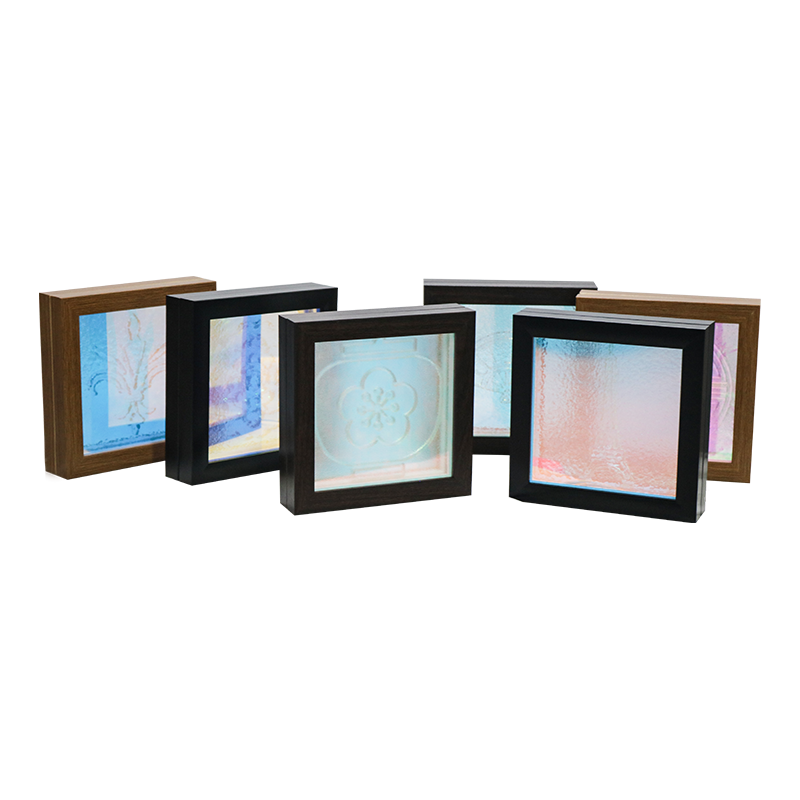 Blue Flower Pattern White Crystal Table Lamp for Bedside or StudyA Nordic-inspired crystal lamp with a blue floral motif on a white porcelain base, offering soft, calming light that suits quiet corners like a bedside table or reading desk.View Product →
For a quieter, more understated mood, a porcelain-jar crystal lamp with a white plum pattern borrows from Japanese tableware conventions and sits naturally on a bedside table or reading desk.
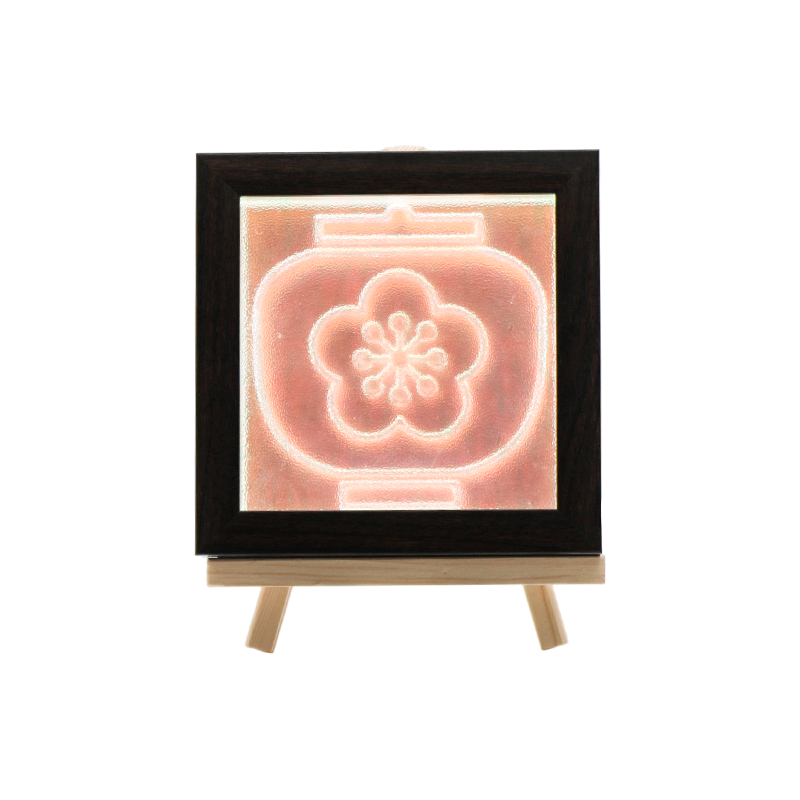 Chocolate Porcelain Jar Crystal Lamp with White Plum MotifA warm-toned table lamp shaped like a chocolate-colored porcelain jar with a white plum blossom, evoking Kyoto craftsmanship and casting a cozy glow for evening relaxation.View Product →
Even a statement fixture can follow the same logic. A textured crystal chandelier with an Eiffel Tower pattern gives a dining room a focal point at a fixed, transparent price, which is especially appealing when a vintage chandelier would require rewiring and restoration.
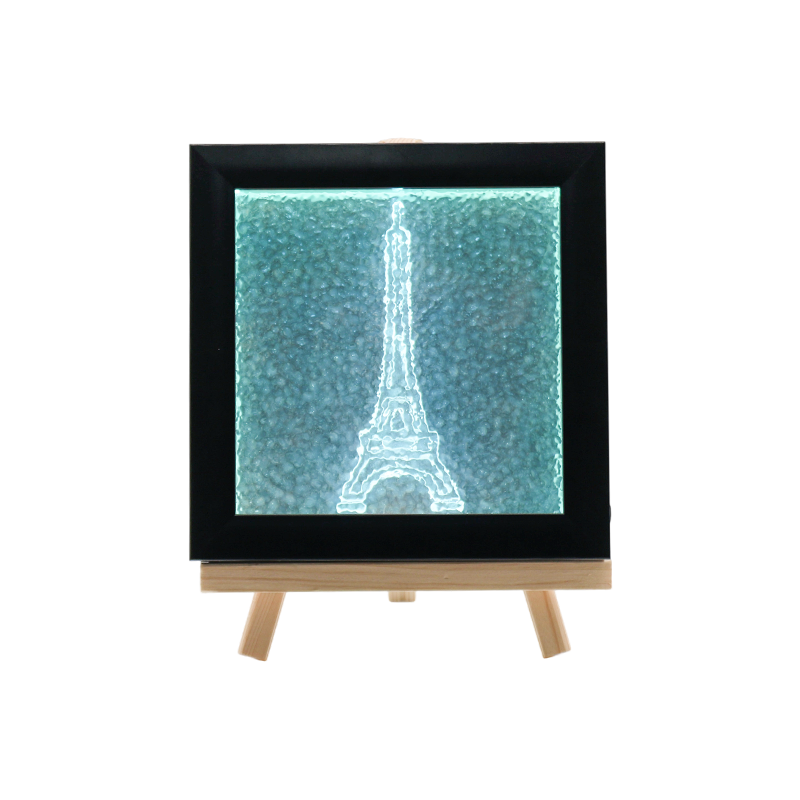 Azure Eiffel Tower Textured Crystal Chandelier for Dining RoomA statement chandelier featuring azure Eiffel Tower patterns on textured crystal, blending Nordic minimalism with Parisian elegance to serve as a dining room focal point.View Product →
Before you decide between a vintage investment and a modern purchase, it helps to understand how patterned crystal table lamps can illuminate and transform an interior. The same lighting principles that make Waterford pieces desirable - refraction, pattern, and placement - apply to well-made modern crystal as well, and that continuity explains why decorative crystal lighting has staying power.
Bottom Line
A Waterford crystal lamp is worth whatever a willing buyer pays, but you can predict that number before you list it. Check the mark, compare actual sold prices for the same pattern, and adjust for condition, pairing, and provenance. Most single examples sell between $90 and $450, pairs at the higher end, and rare documented pieces above it. If you are selling, photograph every flaw. If you are buying, ask to see the mark and the original shades in daylight. And if you simply want the look of decorative crystal at a known price, a modern patterned crystal lamp offers the visual effect without the appraisal process.